Photos
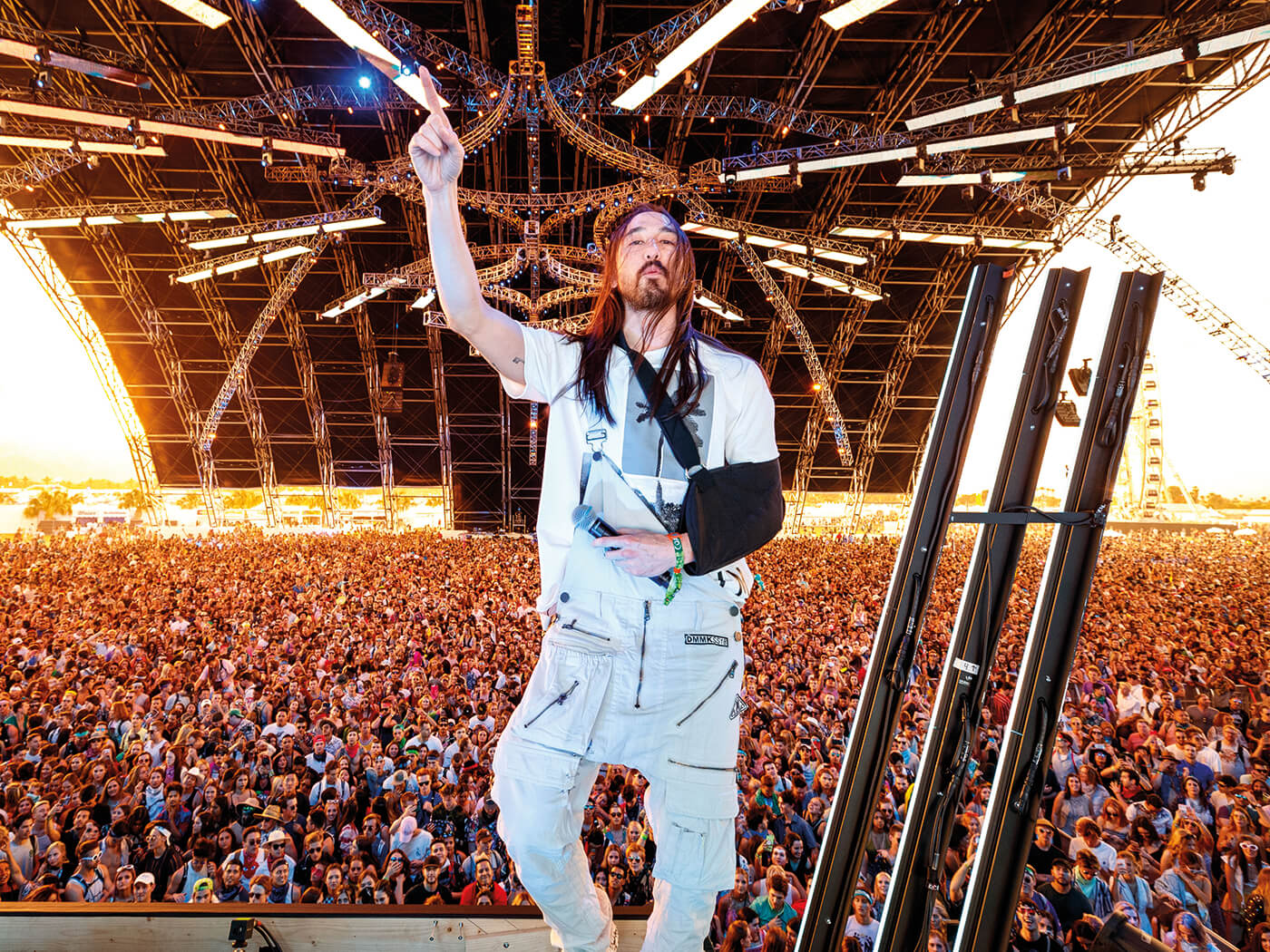
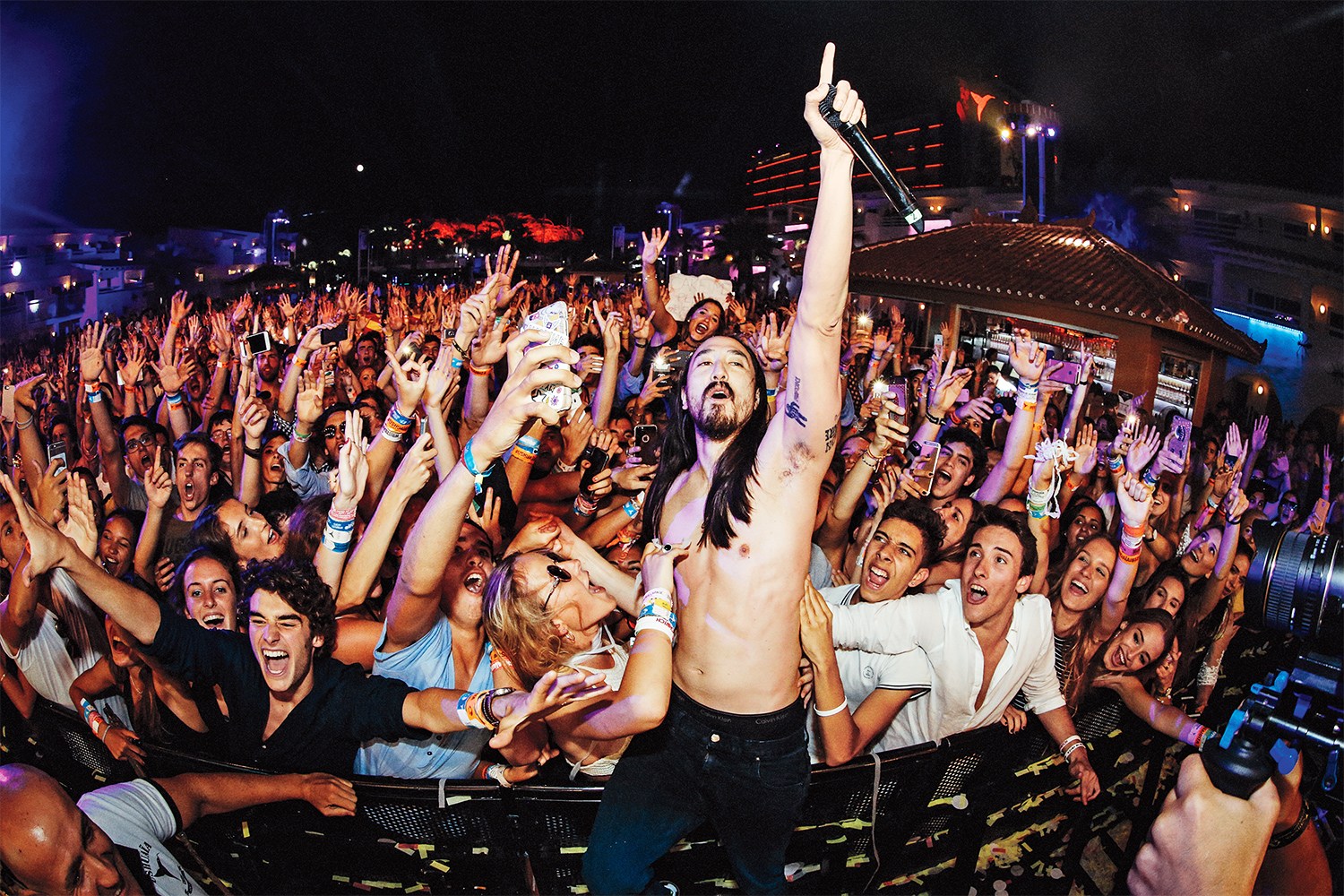
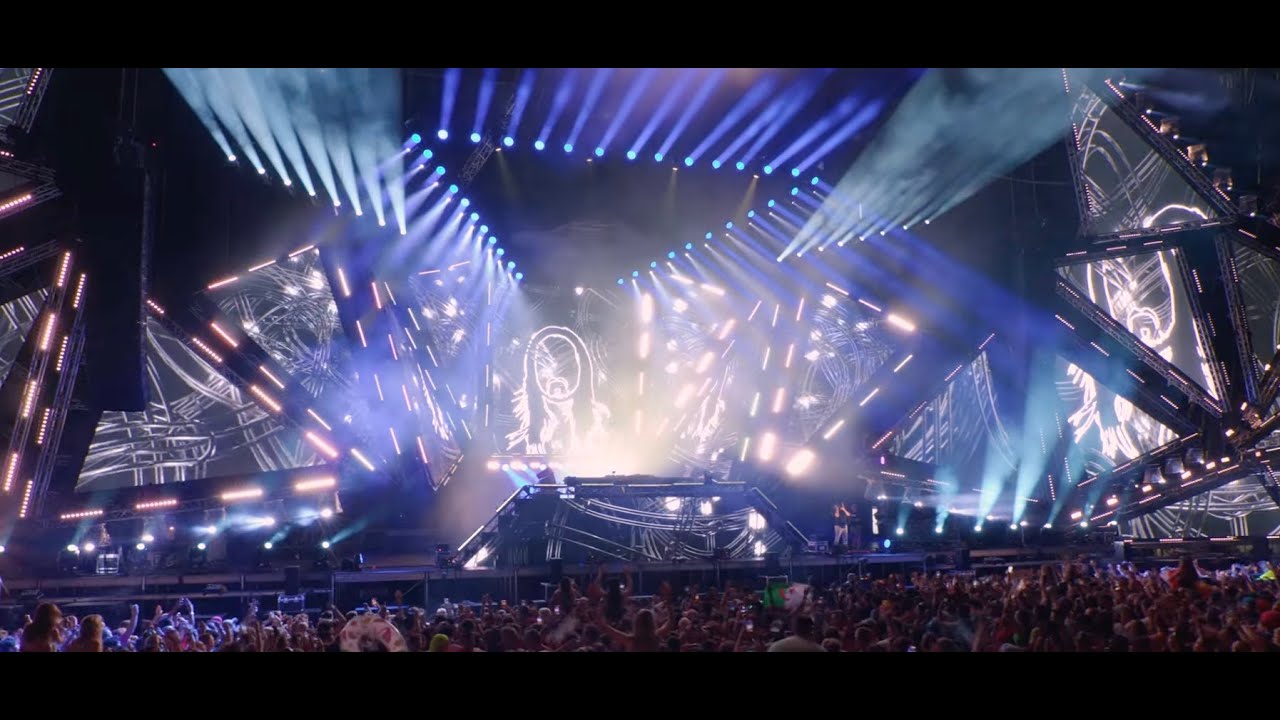
Yes — 3 Steve Aoki shows are scheduled for 2026. The run continues Dec 1, 2026 at Omnia Nightclub Las Vegas at Caesars Palace in Las Vegas.
Steve Aoki's current live run channels the high-voltage side of electronic dance music, blending electro house, big-room drops, and pop-leaning hooks into sets built to keep a room moving from the first beat to the last. Expect a show that feels less like a passive concert and more like a shared celebration, with synchronized lights, bold visuals, and a sound system pushed hard enough to be felt in the chest as well as heard. Aoki has long built his reputation on direct crowd connection, and fans tend to arrive ready for the playful, high-energy moments that have made him a recognizable figure well beyond the club circuit. The audience is typically a mix of longtime electronic listeners and newer fans drawn in through collaborations and festival appearances, people who value spectacle, momentum, and a sense of community on the dance floor. What makes this run worth attention is its scope as a moving itinerary. Rather than anchoring to a single market, the routing connects multiple cities and venue formats, giving fans in different regions a chance to see the production in a setting that suits them. The typical set pacing builds in waves, opening with rhythmic drive, climbing toward peak-time anthems, and sustaining that intensity with sudden shifts and surprises that keep the floor engaged. Whether you are planning a night out with friends or hearing a favorite track live for the first time, the tour rewards early planning. Take a moment to check the dates table below, where you can compare cities, confirm venues, and find the show that fits your plans.
No shows match your filter.
There are no dates on sale at the moment. New shows appear here as soon as they are announced.
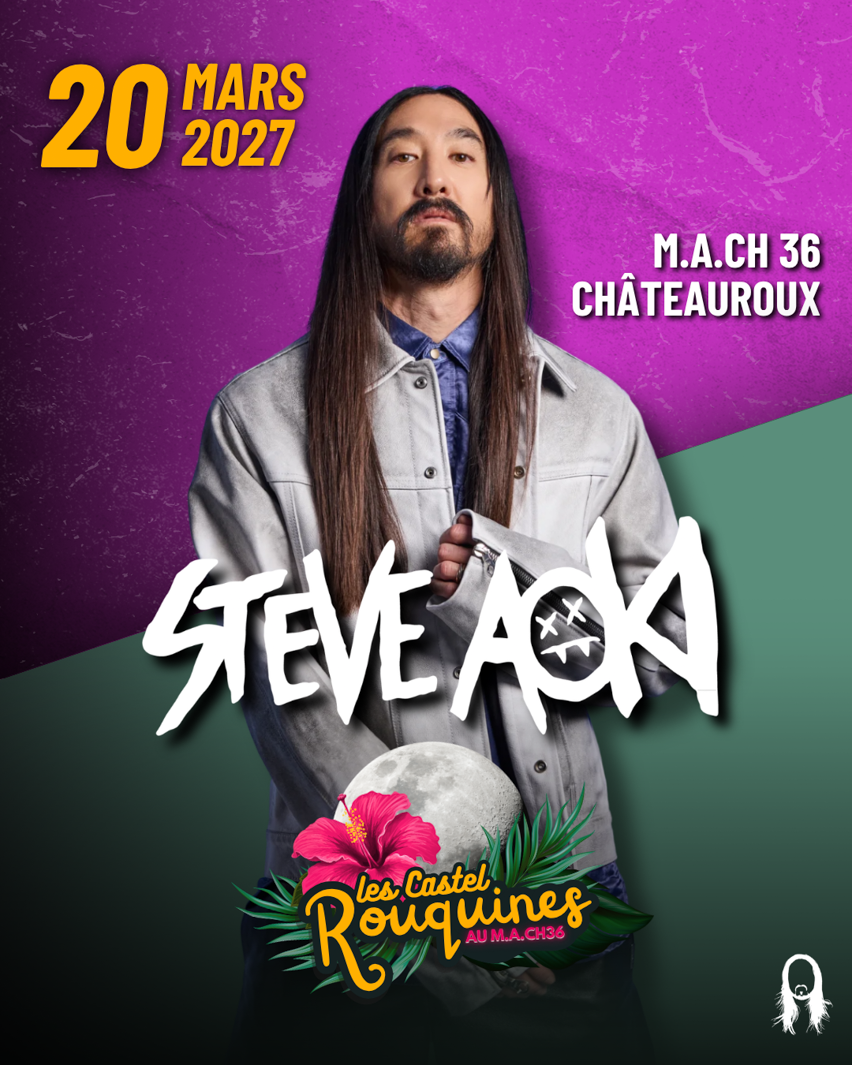
Ticket prices for a Steve Aoki show depend on several factors. The city and the size of the venue matter most: a large arena in a major market will usually charge more than a club in a smaller town, and demand in each market is different. Where you sit also changes the price. Floor seats close to the stage, and seats with clear sightlines, typically sell for more than seats in the upper tiers or behind the stage. The date matters too. Shows close to the on-sale date or on weekends often cost more, while weeknight dates may have more availability. This is why two dates on the same tour can have very different prices.
VIP packages and meet and greets are add-ons sold alongside general admission. They usually include priority entry, a specific or upgraded seating area, merchandise, and sometimes a short photo opportunity or meeting with the artist. What is included varies by show, and not every date offers these packages, so availability should be checked for each date individually. Presales are early access windows, often arranged through the artist's fan club, the venue, or a credit card issuer. A legitimate presale code comes from one of these official sources, never from a third-party website offering to sell you one. If a site claims to have a code it cannot verify, treat that as a warning sign.
Resale marketplaces list tickets sold by other fans, and prices can be above or below face value depending on demand as the show approaches. Before paying, confirm the exact section and row, and check whether the listing shows the seat location clearly. Be aware that many resale tickets are delivered electronically to a mobile app, so make sure the transfer method works with your phone and that you can access the tickets before the event. Read the marketplace's guarantee terms so you know what happens if a ticket turns out to be invalid.
A night at a Steve Aoki show usually runs for several hours from the time doors open to the end of the headline performance, though the exact length depends on the venue and the promoter's schedule. Doors typically open well before the main set, and there is often a gap of an hour or more between entry and the headliner taking the stage. Support acts vary by date, so the lineup you see on one night may differ from another, and it is worth checking the listing for the specific city you plan to attend.
Steve Aoki's sets are known for high energy, a fast-moving pace, and a strong emphasis on production. Expect a blend of crowd-pleasing material that many fans will recognize alongside newer work that reflects his current direction. The show tends to build in waves, with tension rising and releasing across the night, and visual elements such as lighting, video, and stage effects are central to the experience. The atmosphere is usually celebratory and physical, with plenty of audience participation and an overall feel of a large, shared party.
Practical planning helps a lot. Age policies are set by each venue, not by the artist, so check the venue's listing before buying tickets, as some events are all-ages while others are restricted. Arriving early can make entry smoother, especially at popular dates, and it gives you time to pass through security. Bag rules are also set by the venue and are often strict, so review them in advance and travel light where possible. Because the sound is loud for long stretches, earplugs are a sensible addition to your kit, and many venues allow them.
Fans heading to a Steve Aoki show usually expect to hear "Waste It On Me," his collaboration with BTS, alongside "Boneless," the Kid Cudi-featuring track that became a dancefloor staple, "Just Hold On," his team-up with Louis Tomlinson, and the bouncy "Azukita." Those anchor songs tend to surface across his tours, but the exact setlist changes from night to night, so no two crowds hear quite the same running order.
Aoki's sets are typically built around that core of recognisable hits, with newer releases slotted in to keep the show current and the occasional deeper cut or unexpected remix giving longtime followers something to chase. Because the balance shifts from city to city, fans often compare each night's setlist after the show, trading notes on which tracks were dropped, which were added, and which surprise moments made the crowd erupt.
Steve Aoki is the performing name of Steven Hiroyuki Aoki, an American DJ and producer who works as a solo artist rather than a fixed band, so the live line-up is Aoki supported by a touring crew for visuals and technical production. He founded the Los Angeles label Dim Mak Records, which has been a home for much of his output. His sound sits in electro house and big-room music, built on heavily sidechained basslines that pump against the kick, bright supersaw leads, and build-and-drop structures. Half-time dubstep breakdowns, trap-style percussion, and pop-leaning vocal hooks round out the sound.
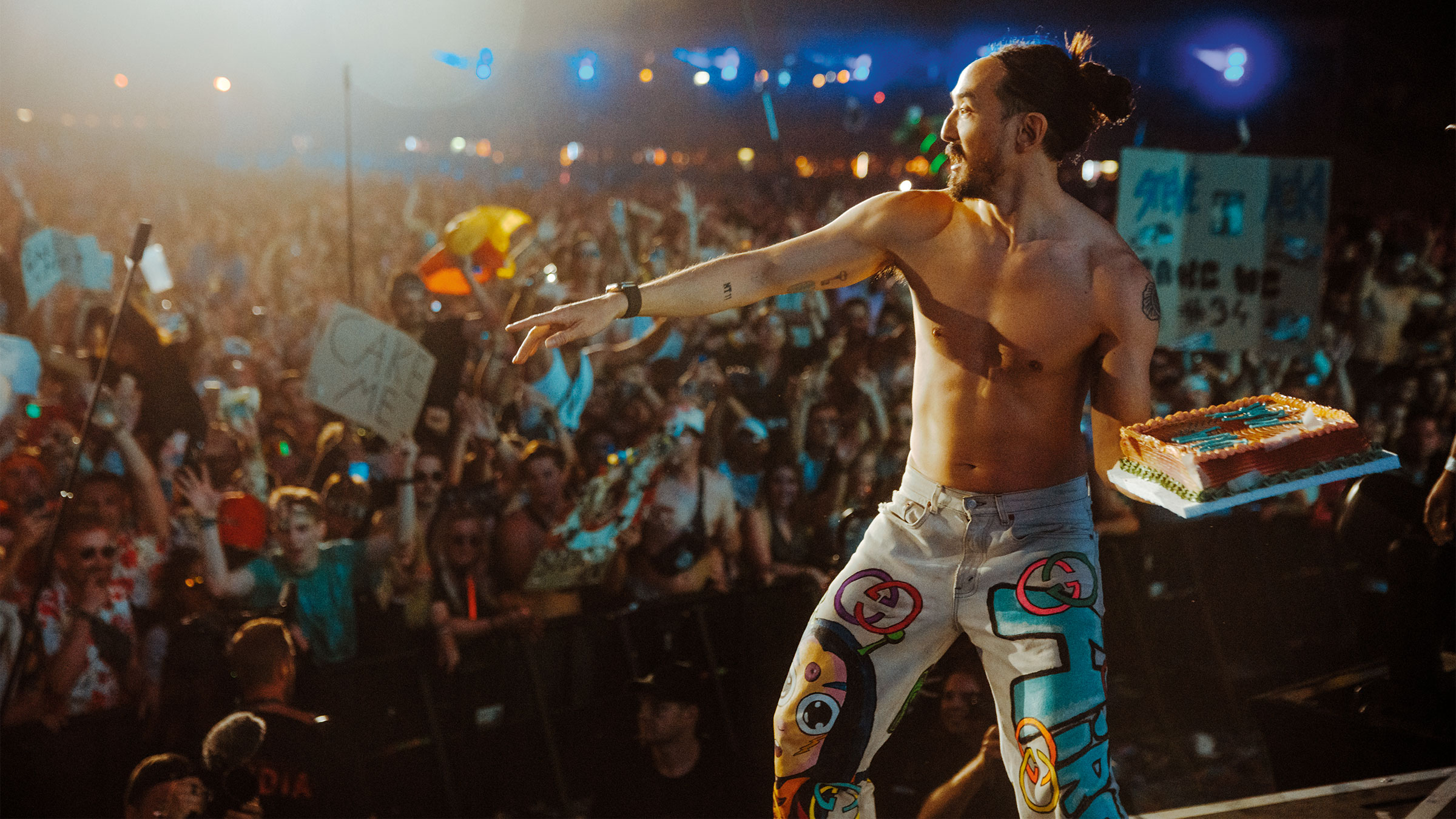
The current live show leans on spectacle and momentum. LED walls and programmed lighting rigs lock to the drops, and in larger rooms the production adds confetti, pyrotechnics, and stage-wide effects at peak moments. Aoki's cake-throwing routine, a long-running part of his performances, typically arrives during a crowd-favorite section rather than at random. Sets mix original productions, remixes, and collaborations, alternating tense builds with full-room releases. Because the production scales with the venue, the same set feels different in a mid-size club, an arena, or a festival mainstage, and room size largely determines how much visual architecture accompanies the music.
Among Aoki's most visible milestones is the Neon Future series of albums, which pairs his production with a wide roster of vocalists and guest artists across pop, rock, and hip-hop. Collaboration has been a defining thread of his career, and his work with Linkin Park on A Light That Never Comes introduced his sound to many alternative rock listeners. He has also become a recognizable name on major electronic festival bills in North America and Europe. Remixes for established artists and Dim Mak's ongoing releases have further extended his reach beyond dance-music circles into mainstream pop and rock audiences.
Aoki sits within the electronic dance music scene, specifically the electro house, big-room, and bass-music corridor that thrives on festival stages and club nights. He shares that territory with producers who favor high-energy drops and crossover collaborations with pop and hip-hop vocalists. The audience skews toward young adults who came to dance music through festivals, streaming playlists, or pop, along with rock and alternative fans drawn in by his collaborations. Listeners who enjoy communal, high-volume experiences where the whole room moves together tend to get the most from a live set. Those seeking slow, intricate sound design or quiet listening may find a different kind of show better suited to them.
Headline sets commonly run roughly an hour to around ninety minutes, while festival appearances are shorter and fit into a longer daily schedule. Openers are usually local or label-affiliated DJs playing house, electro, or bass-leaning sets that warm the crowd, so arriving early rewards anyone who enjoys discovering new names. The room tends to be packed, warm, and loud, with a young crowd, plenty of standing on general admission floors, and fast-moving visuals that keep energy high. Bring earplugs, expect limited movement in the middle of the floor, and check the venue's bag policy and any restrictions on props before attending, since large-format shows often have tighter rules.
If this kind of high-energy, production-driven show suits you, browse the upcoming dates listed below. Each entry includes the venue, city, and ticket information as published, so you can compare room sizes and lineups before committing. Dates and details can change, so confirm with the venue or official ticket seller before making travel plans. Scan the listings, note the shows that fit your schedule, and plan ahead for the one that works best for you.
Yes — 3 Steve Aoki shows are scheduled for 2026. The run continues Dec 1, 2026 at Omnia Nightclub Las Vegas at Caesars Palace in Las Vegas.
Steve Aoki is not playing today (Nov 26, 2026). The next show is Dec 1, 2026 at Omnia Nightclub Las Vegas at Caesars Palace in Las Vegas.
All 3 upcoming Steve Aoki shows are in the United States, with the most dates in Nevada (2) and Massachusetts (1). No dates outside the United States are listed right now.
Steve Aoki's sets are DJ-style performances, and run length changes with the event type, festival slot, or venue curfew. Festival appearances are often shorter than headline club or arena shows. Since timing varies by date, check the event listing for any stated duration rather than relying on past sets as a promise.
Whether there is an opening act depends on the date, venue, and tour routing, so it isn't the same for every show. Some events feature support acts while others are a single headline set. The dates listed on the Steve Aoki tour page, and the individual event pages on ticketing sites, show the lineup for each show. Check those closer to the date, since lineups can be updated.
Age policy is set by each venue and promoter, so it varies from show to show. Some events are all ages, while many club and bar shows are 18+ or 21+ and may require ID at entry. The age requirement is printed on each event listing. Check it before buying, and bring a valid government-issued photo ID, since staff may ask for it regardless of the posted age.
Doors open time and the performer's set time are listed separately on each event page, and the gap varies by venue and show. Many events open doors well before the headliner plays, sometimes with support acts first, but the exact schedule isn't something to assume. Check the listing for doors and any stated set time, and note that set times can shift on the day, so arriving early is sensible.
Ticket prices aren't fixed; they depend on the venue's size, the city, the date, the seat or section location, whether it's a festival or standalone show, and fees added by the seller. Prices can rise as availability drops or on resale marketplaces. Exact prices are listed on each event's ticketing page, so compare the face value and total checkout cost including fees before buying.
VIP packages and meet and greets aren't offered at every show; availability depends on the event and whether the promoter or official ticketing partner has set one up. When offered, packages may include things like early entry or upgraded viewing areas, but contents differ. Look for VIP options on the event's ticketing page, read exactly what's included, and check whether any meet and greet is confirmed before paying extra.
On-sale dates and presales vary by event and are announced by the artist, venue, or ticketing company. Some shows have artist or fan-club presales that require a code, while others are general on-sale only. Don't rely on codes circulating online; check official announcements on Steve Aoki's website and social channels, or the event page, for the on-sale schedule and any legitimate access details.
If a show is postponed, tickets are usually honored for the new date. If it's cancelled, refunds are generally issued, often automatically through the original point of purchase. Policies depend on the promoter and venue, and fees may or may not be refunded. Check the event page and the ticket seller's terms, and if an update is posted, follow the instructions there. Keep your confirmation email.
Follow Steve Aoki